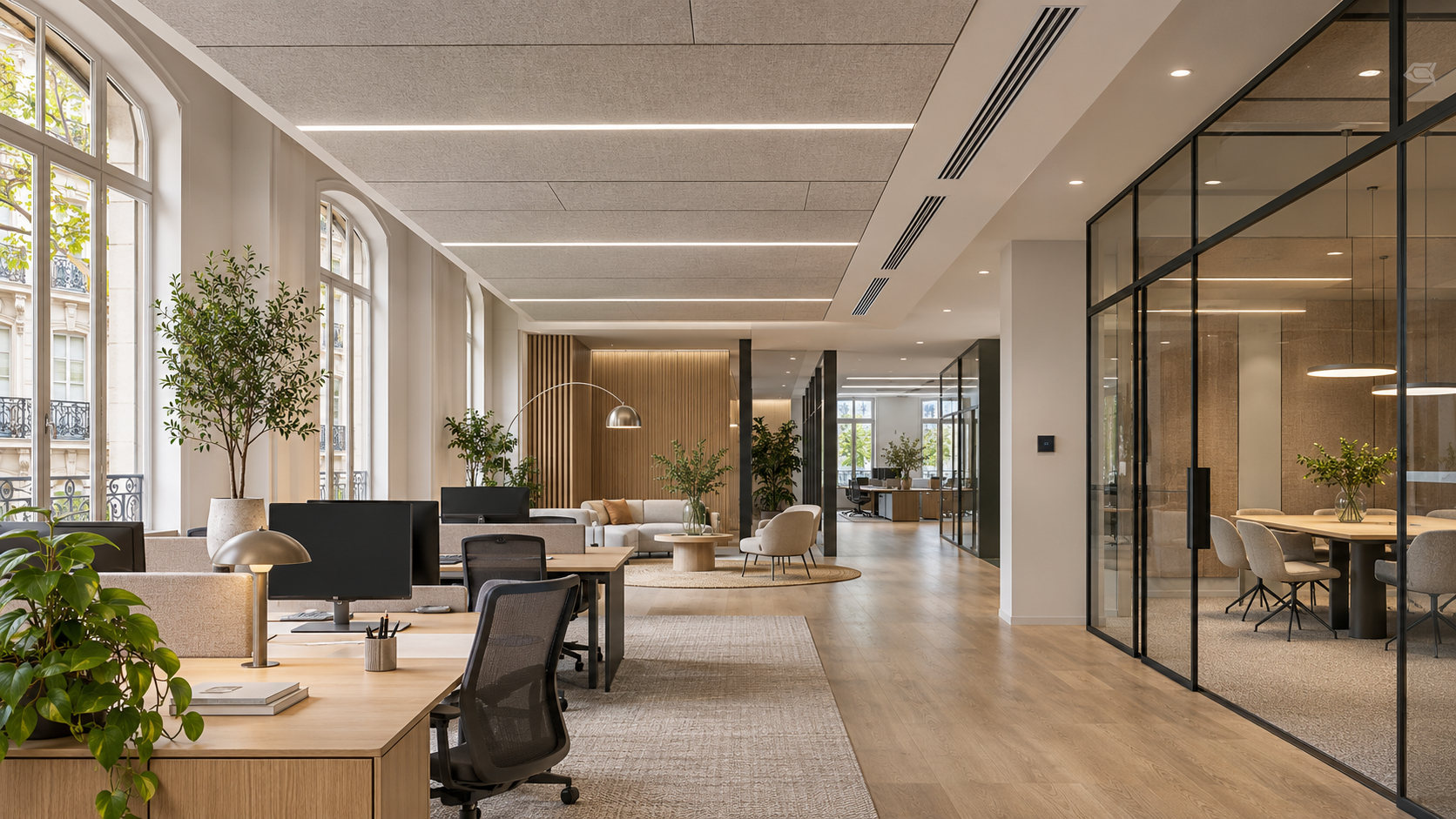
Workstations and work areas
Adapt lighting and comfort by area, with schedules and authorised adjustments. In shared workspaces, provide clear controls and limits defined by the company.

ADQUIO BUILDING OS · SECTORS
Coordinate lighting, HVAC, air quality, energy and access. Choose the Adquio ConfortRoom open thermostat or screens with independent sensors to control each zone, and connect floors, buildings and sites.
01
Adquio Building OS connects existing systems and new capabilities. Users have the controls they need; maintenance and facility management teams see the wider picture according to their responsibilities.
01
Rooms, workstations, shared areas, sensors and equipment provide information from the installation.
03
The Adquio ConfortRoom open thermostat or Adquio screens bring together the controls for the integrated systems.
04
SCADA, Supervisor, Analytics and Cloud BMS provide views for each responsibility.
The tree architecture can synchronise controllers across floors, zones and services with a central Adquio Server. Adquio Micro Server can provide an intermediate layer when the size of a floor or the distribution of equipment requires it.
02
An office brings together permanent workstations, changing occupancy, meetings and services that may remain active outside working hours. Organise control around actual spaces and schedules.
Adapt lighting and comfort by area, with schedules and authorised adjustments. In shared workspaces, provide clear controls and limits defined by the company.
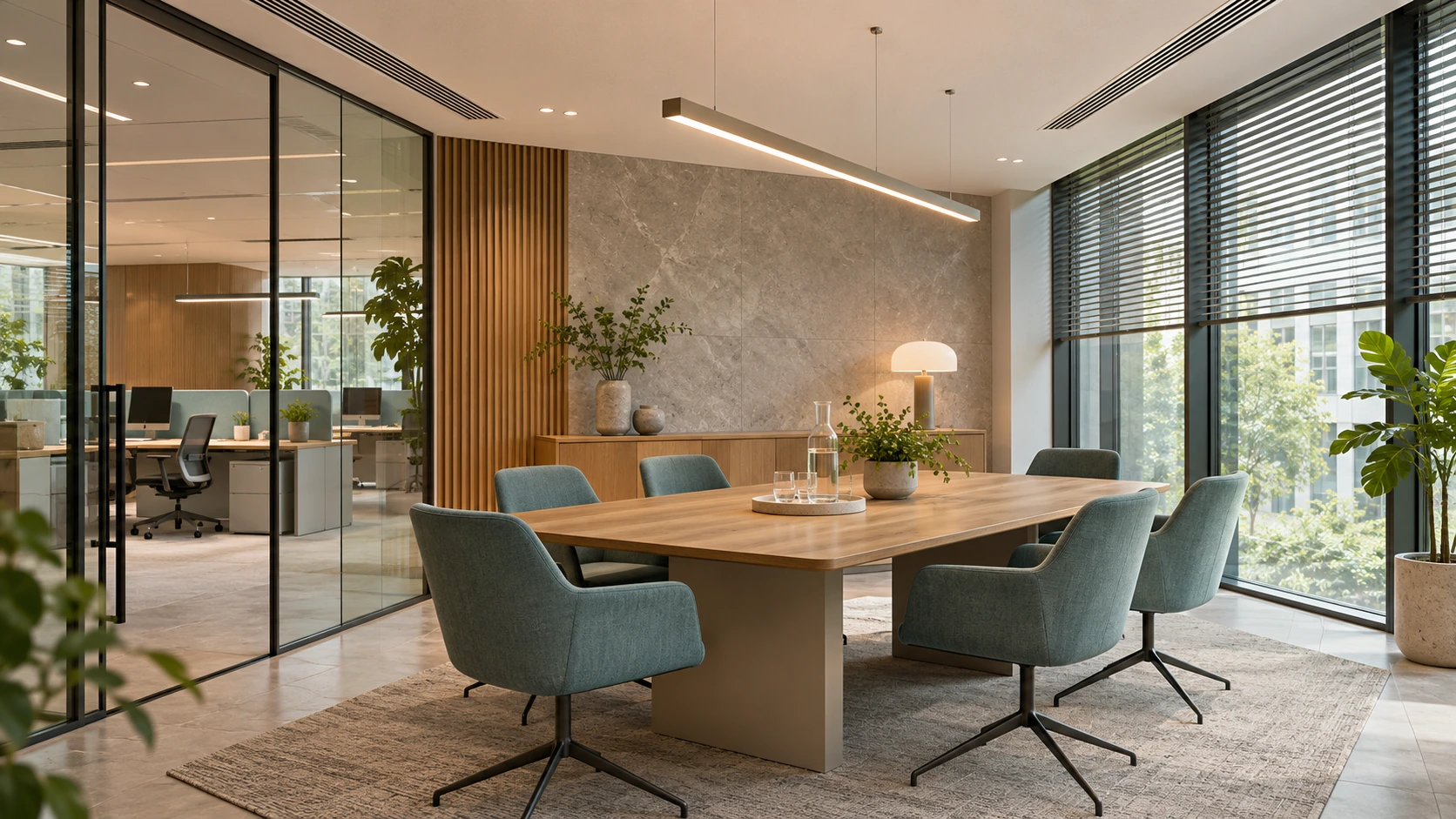
Combine scenes for work, meetings, presentations, absence and cleaning. Relate presence information, HVAC and blinds to the rules of each room.
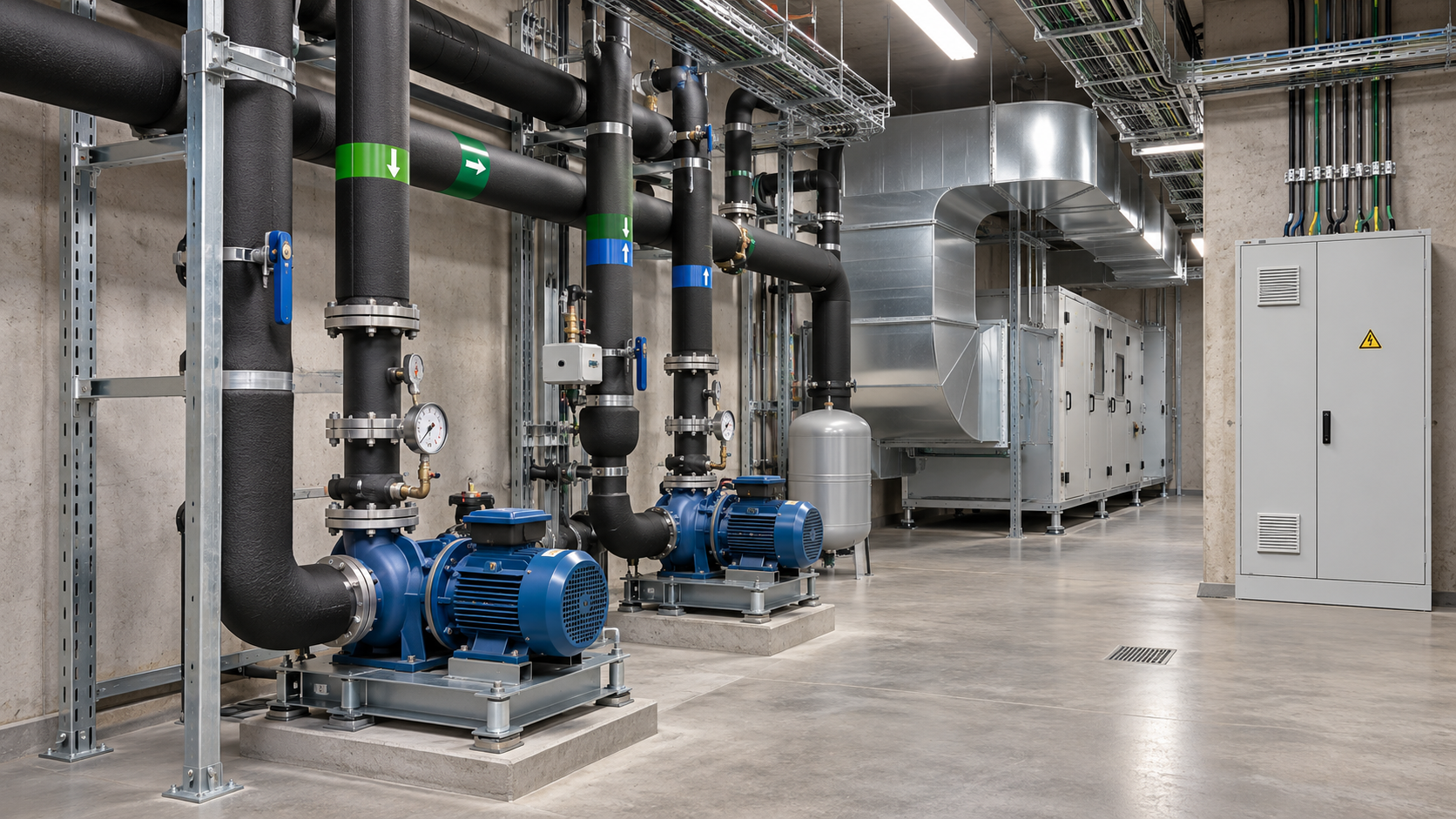
Coordinate reception, circulation and service areas. Monitor HVAC, pumping, electrical panels and plant rooms without imposing the same schedule on every piece of equipment.
03
Choose a thermostat that brings together zone control, or a control screen with independent sensors. Both options can manage all integrated and authorised systems in that zone: HVAC, lighting, blinds, scenes and services.
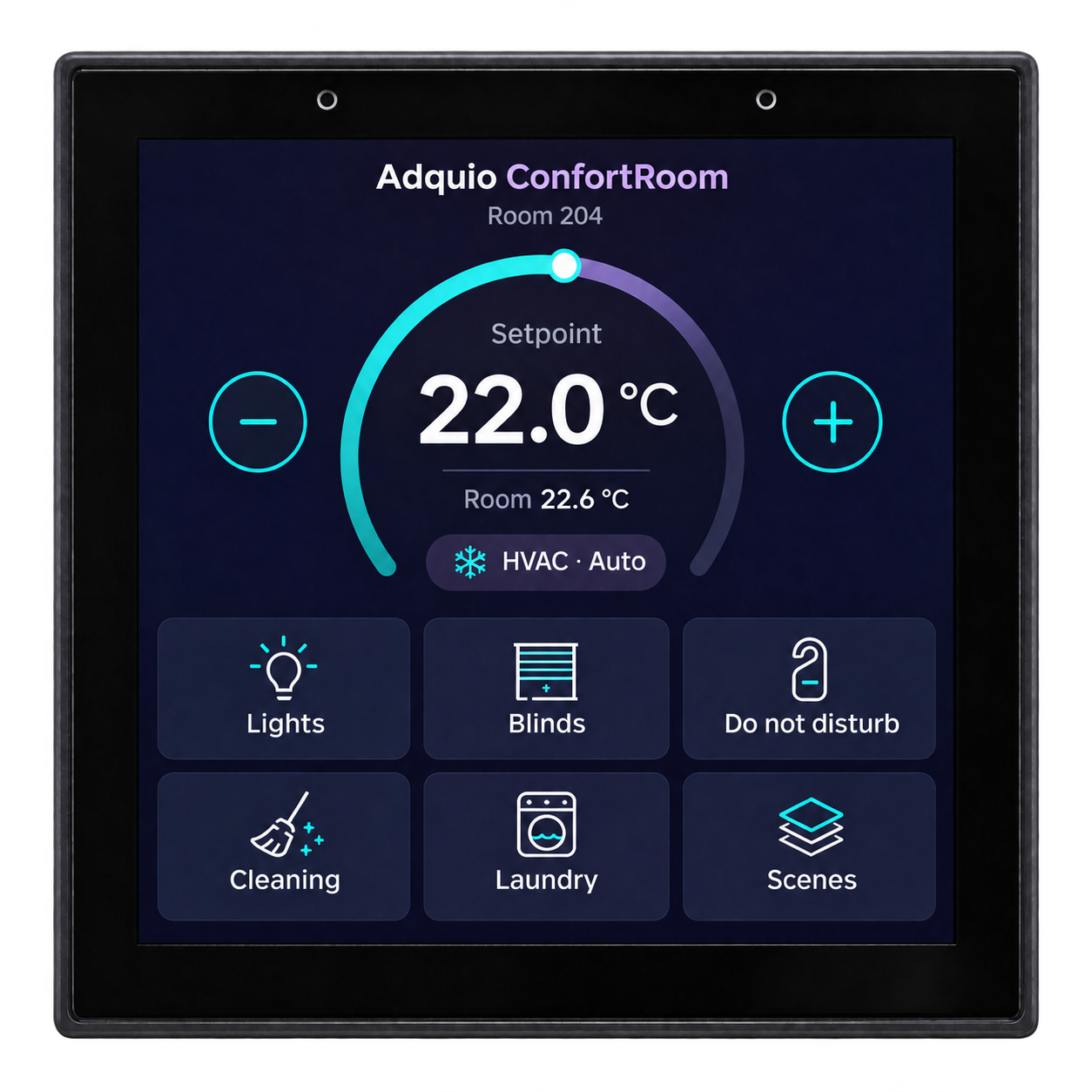
Its integrated temperature sensor and touchscreen combine comfort and integrated system controls in a 4″ interface. Configure lighting, blinds, scenes, “Do not disturb” notices or service requests.

The screen brings together zone control, while readings come from sensors located at suitable points. Manage HVAC, lighting, blinds, scenes and other integrated functions through a customised interface.
Ethernet with PoE, 2.4 GHz Wi-Fi and RS-485 allow flexible connectivity. Use Modbus or BACnet over IP or RS-485 according to the configuration. Power is supplied by PoE or 12 V DC.
The Adquio ConfortRoom thermostat can communicate over RS-485 with Adquio mini IOs to manage fan-coil signals using the project’s programming and wiring.
Choose the location of the sensors according to the zones they should represent. If you need humidity or CO₂ readings, add the appropriate sensors. The Adquio ConfortRoom open thermostat dims its screen after a period without touch input and remains visible.
The choice depends on the measurement location, interface size and controls the user needs. For both options, define permissions, setpoints, priorities and the return to automatic operation. View the Adquio ConfortRoom open thermostat product page ↗
04
Thermal control covers the room and the services that supply it. Relate zone demand to the variables and commands available in production and distribution.
Combine temperature, setpoints, schedules and usage signals with compatible fan coils, air handling units or other equipment. Retain authorised adjustments for occupants and supervision for the technical team.
Integrate compatible chillers, heat pumps, boilers, rooftop units, pumps, valves and circuits. Check states, alarms and operation outside planned hours.

Use temperature, humidity or CO₂ sensors according to the measurements each model provides. Feed readings into the ventilation strategy where the equipment supports control.
Integrate people-count information where a system provides it. Presence, the number of people and a room booking are different kinds of information; define how each is used and what happens if a signal is missing.
05
Combine schedules and local automation with manual controls. The interface should show what each person can adjust and how automatic operation is restored.
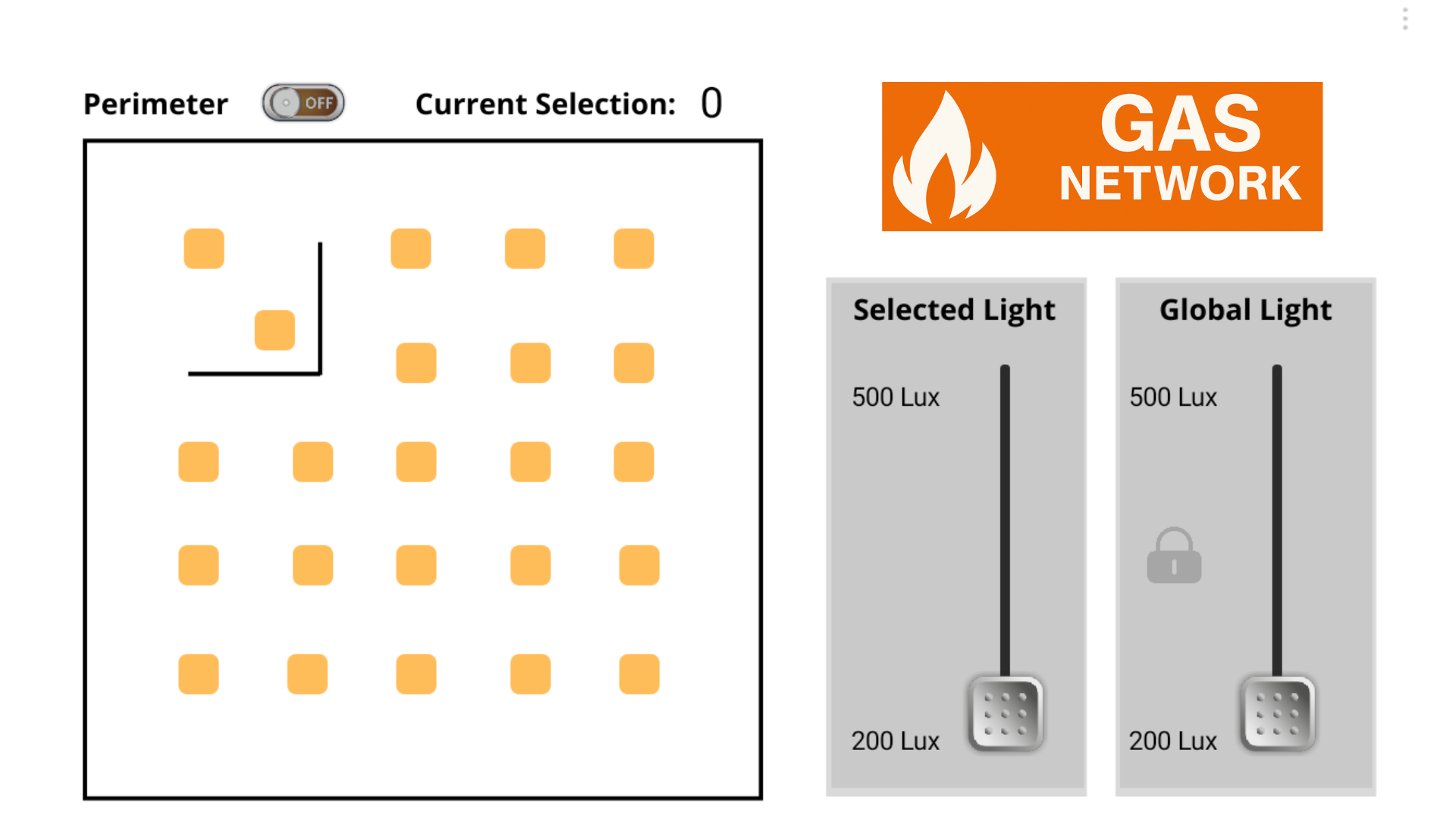
Integrate lighting networks through the appropriate gateways. Organise floors, zones, luminaires and scenes in Adquio SCADA without requiring users to manage each network separately.
A screen can let users select a workstation and its authorised lighting level. Responsible staff can have general controls with separate permissions, as in the published London project.
Where movable partitions are installed, Adquio LiveScenes can relate their signals or the selected layout to the Casambi scenes for the resulting spaces.
06
Relate consumption, schedules, temperatures and activity to understand what deserves investigation. The energy efficiency solution starts with available data and verifiable objectives.

Adquio Analytics is a platform developed entirely by Adquio. Prepare indicators and charts by floor, zone or service. Identify loads that remain active outside working hours and compare periods before and after an adjustment.
Use kWh/m², consumption per opening period or other indicators supported by sufficient data. Consider occupancy, floor area, schedules and environmental conditions when interpreting differences.
Compare energy data with changes in environmental conditions and equipment states. High consumption may reflect increased activity; confirm the causes before identifying an anomaly.
The Solar Office example shows how to relate engineering, administration, workshop and plant room areas. It helps distinguish permanent loads and environmental conditions across work areas.
This example uses data from the supplied simulator. It does not represent verified measurements or customer savings. Visualisations are subsequently adapted to the readings available in each installation.

07
Room users, maintenance and facility management teams do not need the same screen. Combine tools according to who monitors, decides or acts.
| Platform | Speciality | Office application |
|---|---|---|
| Adquio SCADA Server | Local operation | Floor plans, controls, states and trends within the installation itself. |
| Adquio SCADA Cloud | Cloud-based supervision and control | Authorised access to the web interface of integrated installations. |
| Adquio Supervisor | Technical infrastructure | Device locations, states, alerts and access to their available interfaces. |
| Adquio Analytics | Dashboards | Historical data, charts and indicators for energy, comfort and operation. |
| Adquio Cloud BMS | Multi-site management | Building comparisons, shared management and advanced formulas for scientific and thermodynamic calculations. |
The Adquio Server that coordinates controllers is a different layer from Adquio SCADA Server, the visualisation platform. To manage several buildings, define a site structure and consistent comparison criteria.
08
Locate equipment and check its state before deciding whether an on-site intervention is needed. Maintain appropriate permissions for each function.
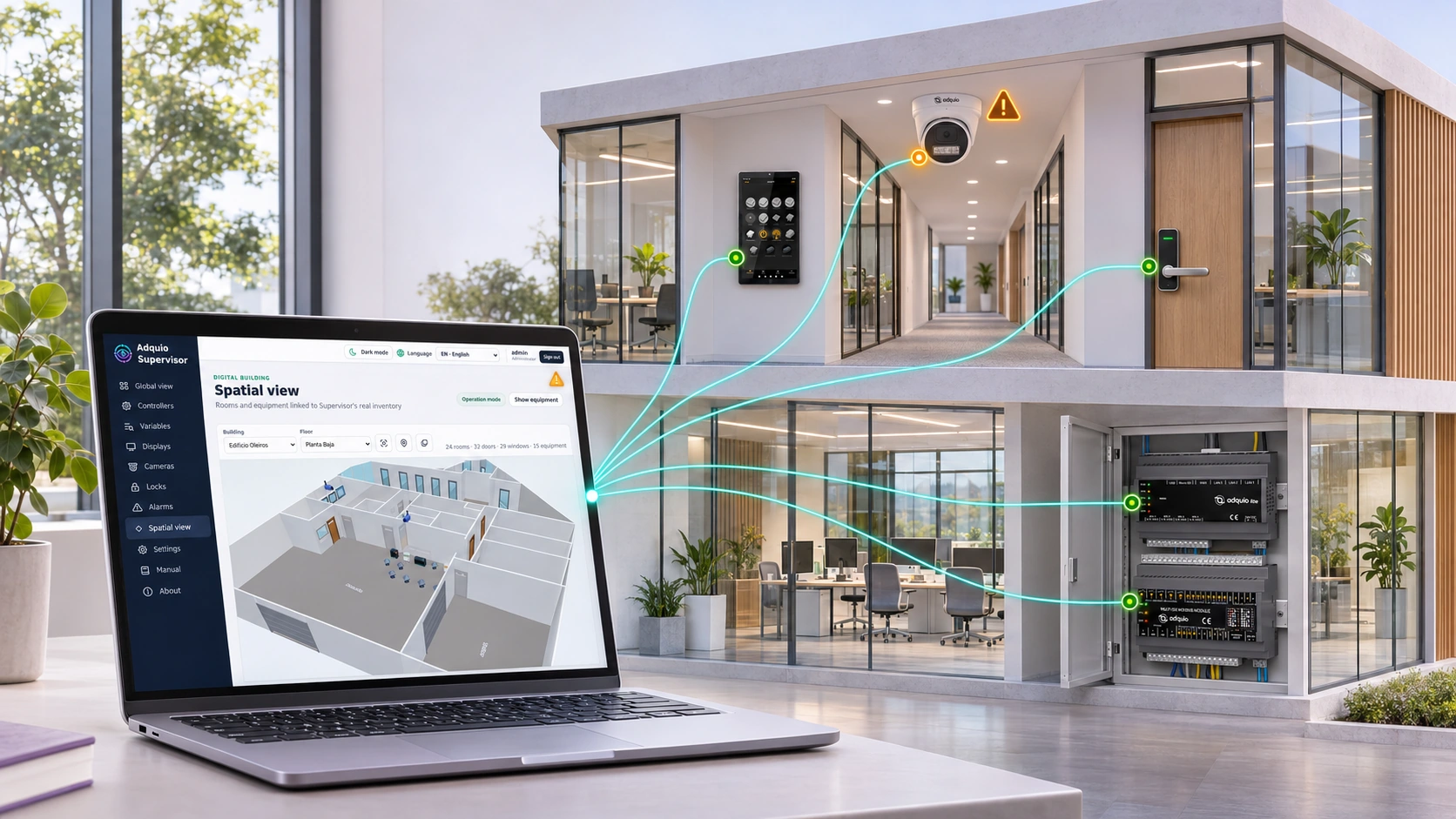
Organise controllers, expansion modules, screens, cameras and locks by site, floor and zone. Review incidents and access available interfaces to begin diagnosis.
Nexus allows a person to access authorised remote equipment, such as a controller or Adquio SCADA Server. Bridge connects devices across networks. Adquio SCADA Cloud is accessed through its web page.
Adquio Full Remote Access for Casambi facilitates supported tasks in the installation’s Casambi app, with authorised access.
Manage compatible doors and credentials from the local server. Define access to offices, storage rooms or plant rooms by user, permissions and schedules.
View compatible video and events. The controller can enable or disable cameras for privacy and request photographs; bring these functions to screens, SCADA or BMS interfaces with confirmation of the result.
09
Multiprotocol integration can bring together existing installations where their interfaces expose the necessary variables and commands.
Relate KNX group addresses and Adquio variables through a KNX/IP interface or router. The KNX integration can share functions with other building systems.
Adquio BACnet Exporter exposes variables for reading by a BACnet/IP BMS. Adquio.API provides authorised access to variables for custom integrations.
Adquio MatterLink adds compatible Matter functions. Build interfaces with Adquio APP Builder and assess connections to booking platforms or corporate services according to their available interfaces.
The existence of an API or booking system does not imply a preconfigured universal integration. Define events, data, permissions and responsibilities with the engineering service.
10
Consult each reference to understand its scope. Completed installations and demonstration visualisations provide different kinds of information.
The project uses Adquio Mini, Adquio LiveScenes and a touchscreen to adjust workstation lighting within company limits. An administrator mode provides overall control. Explore the case study ↗

The article describes monitoring more than 700 units using analysers connected to Adquio Lite and Adquio Cloud BMS to centralise consumption data from several buildings for processing and billing. Explore the project ↗
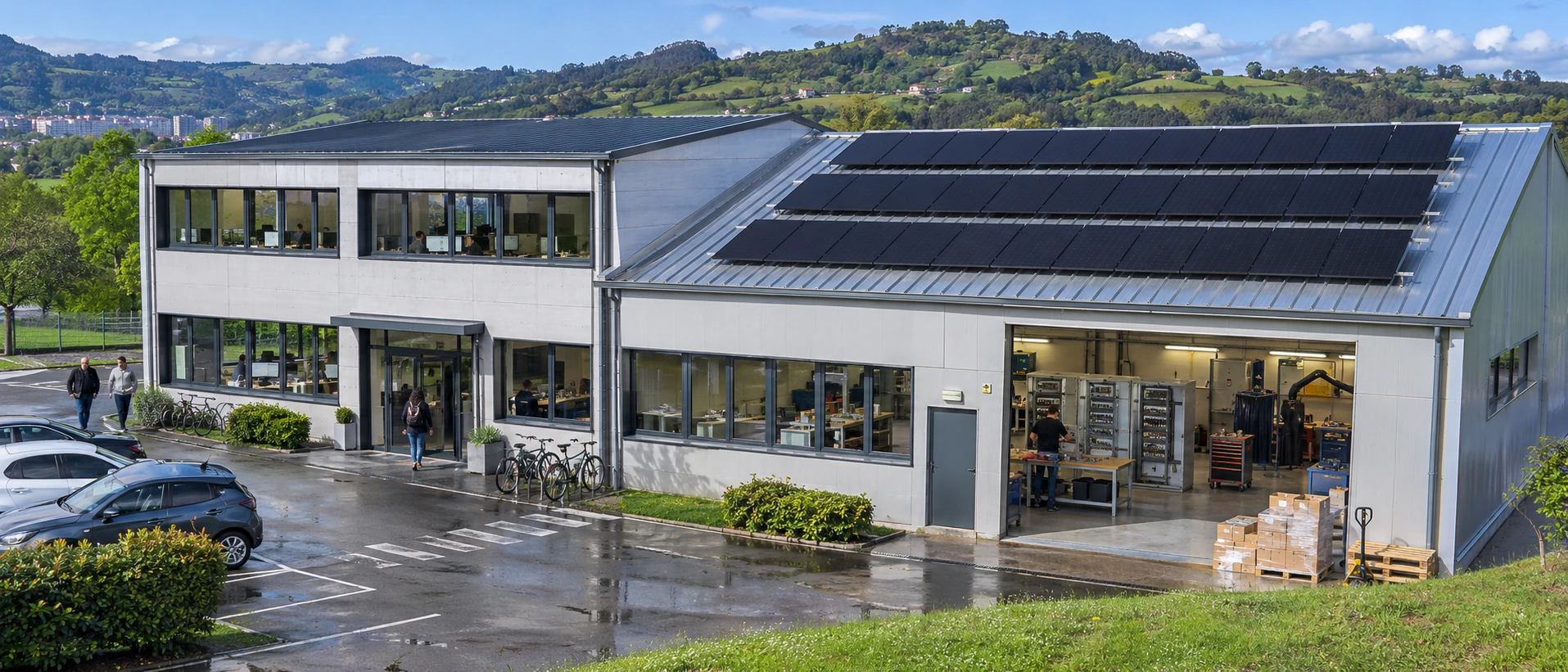
The reference scenario combines office, workshop and laboratory activity. It explains dashboards with simulated energy and indoor environmental data. Explore the example ↗
11
Start with a room or floor where you can test interfaces, sensors and priorities before extending the project across the building.
Review existing equipment, protocols, measurements and responsibilities with the engineering service. Select the pilot areas and objectives.
Try the option with the Adquio ConfortRoom open thermostat or with a screen with independent sensors. Validate schedules, scenes, permissions, manual controls and the return to automatic operation.
Prepare the team through Adquio training. Document the installation and review indicators before expanding to other floors or sites.
No. Its interface can bring together HVAC, lighting, blinds, scenes and zone services, according to the integrated and authorised functions. Temperature sensing is built in; other measurements require the appropriate sensors.
Yes. It can bring together controls for all integrated systems in that zone. The independent sensors provide readings from the selected locations, and the controllers execute the configured rules.
Not necessarily. Interfaces, variables and permissions are reviewed first. Integration can retain existing functions while adding coordination, supervision and zone controls.
Yes. Control is sized by zone and floor, and Adquio Cloud BMS can support the management of multiple installations. Define consistent units, periods and comparison conditions.
08
Detailed documentation remains available on the product pages. Restricted courses and manuals retain their access conditions.
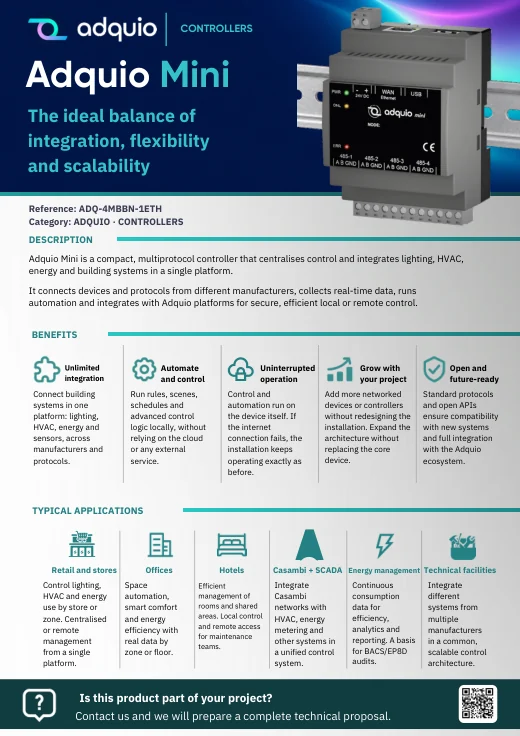
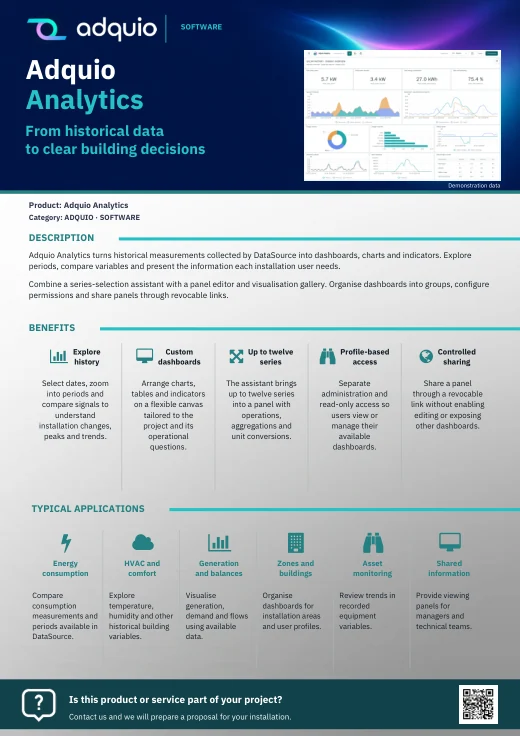
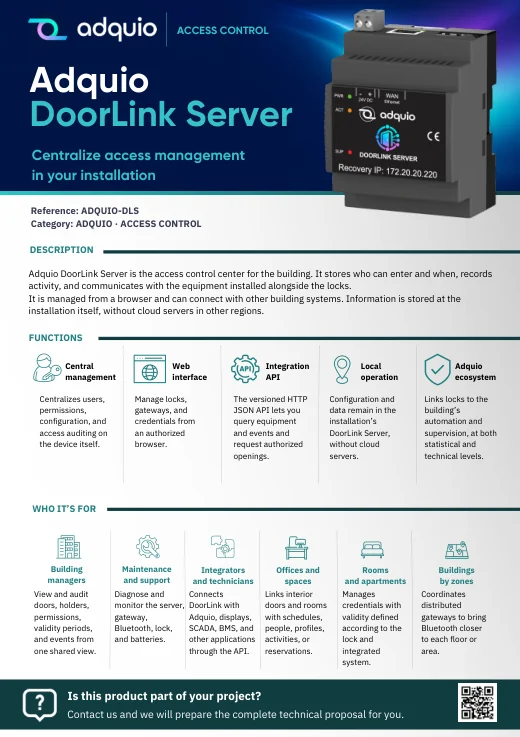
Benefits, applications and commercial documentation organised by product family.
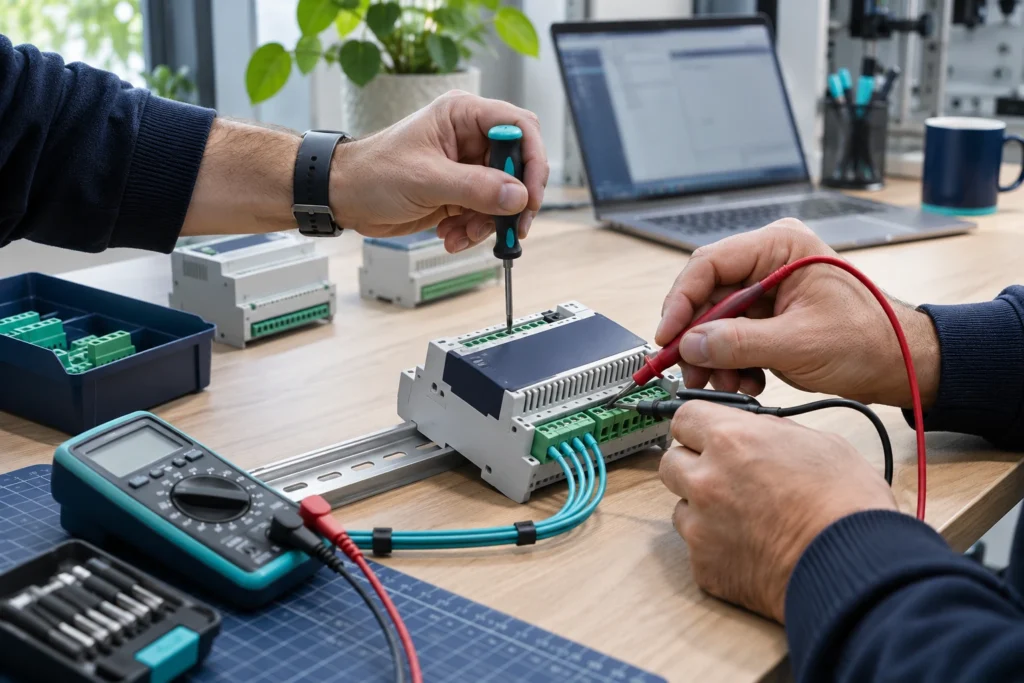
Access technical datasheets, configurations and support resources.

Product pages and references for further information
FROM CONCEPT TO INSTALLATION
Tell us how your offices are used, which systems are installed and what you need to control in each zone. We can help you choose the interface, sensors and an architecture that can grow with the building.
